 Elsyslabs
Automating the Journey From Business Card to Meeting.
Turn every business card scan into a real opportunity with AI that automatically sends personalized emails and follow-ups, and helps schedule meetings.
60% reduction in sign-up time.
Moved setup into the product experience, allowing users to learn and configure AI workflows simultaneously while eliminating unnecessary upfront data entry.
-30% User Confusion Events.
Instances where users asked questions, hesitated, or failed tasks during usability testing dropped significantly.
Users were dropping off after clicking the sign-up button. Usability testing revealed a key friction point: users became hesitant and confused when asked to select a bot and configure business details before experiencing any value.
After several iterations failed to improve conversion, the onboarding strategy was fundamentally rethought. Instead of leading with bots and technical setup, the experience was redesigned around the user's primary goal—automating business card follow-ups.
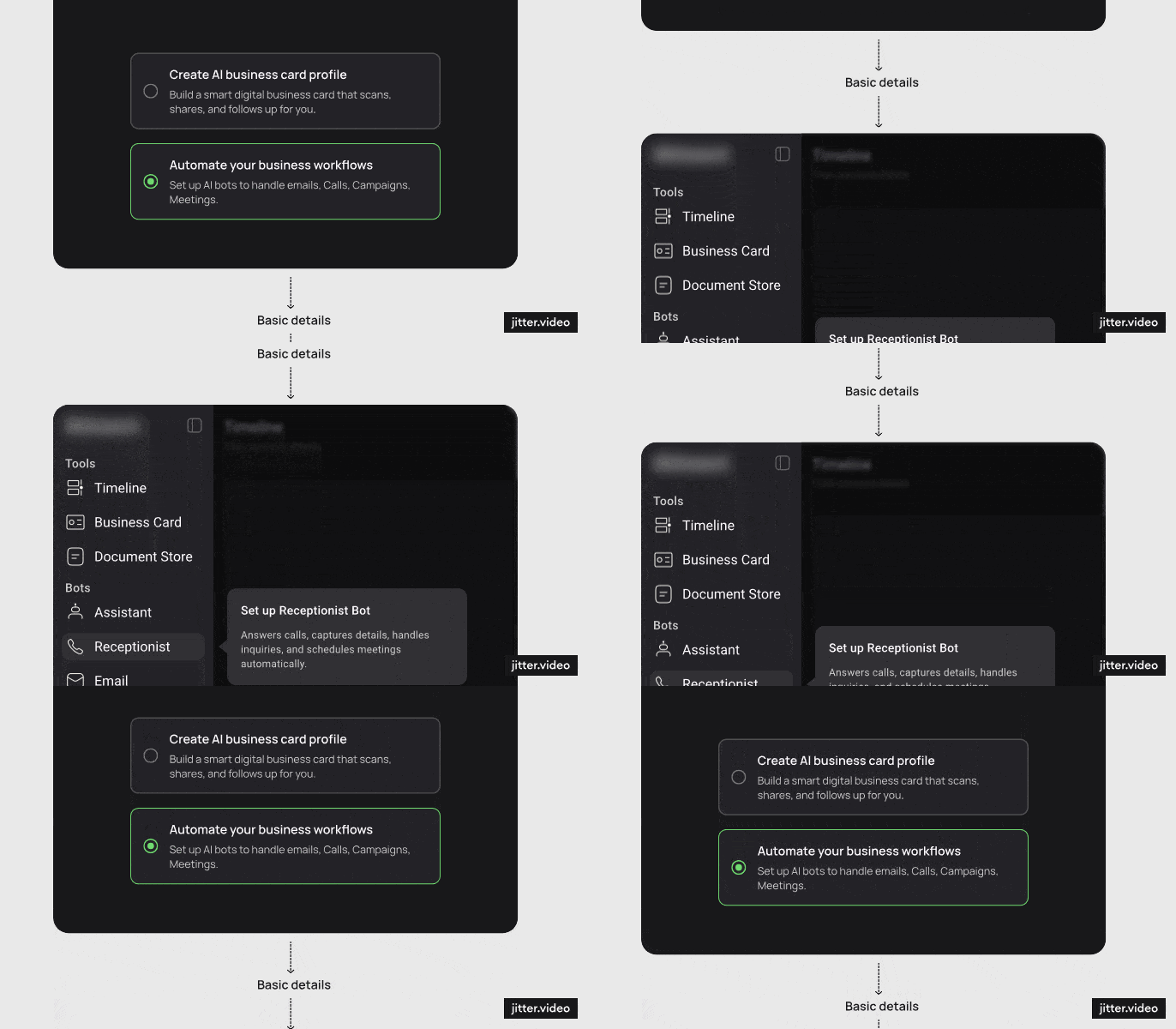
The website narrative and onboarding flow shifted from a bot-centric approach to a feature-led experience. Bot selection and initial business-detail forms were removed entirely. Users now enter the product directly and are guided through the setup of the relevant AI workflow within the actual product experience. This combines product walkthroughs with contextual bot configuration, allowing users to learn and configure simultaneously.
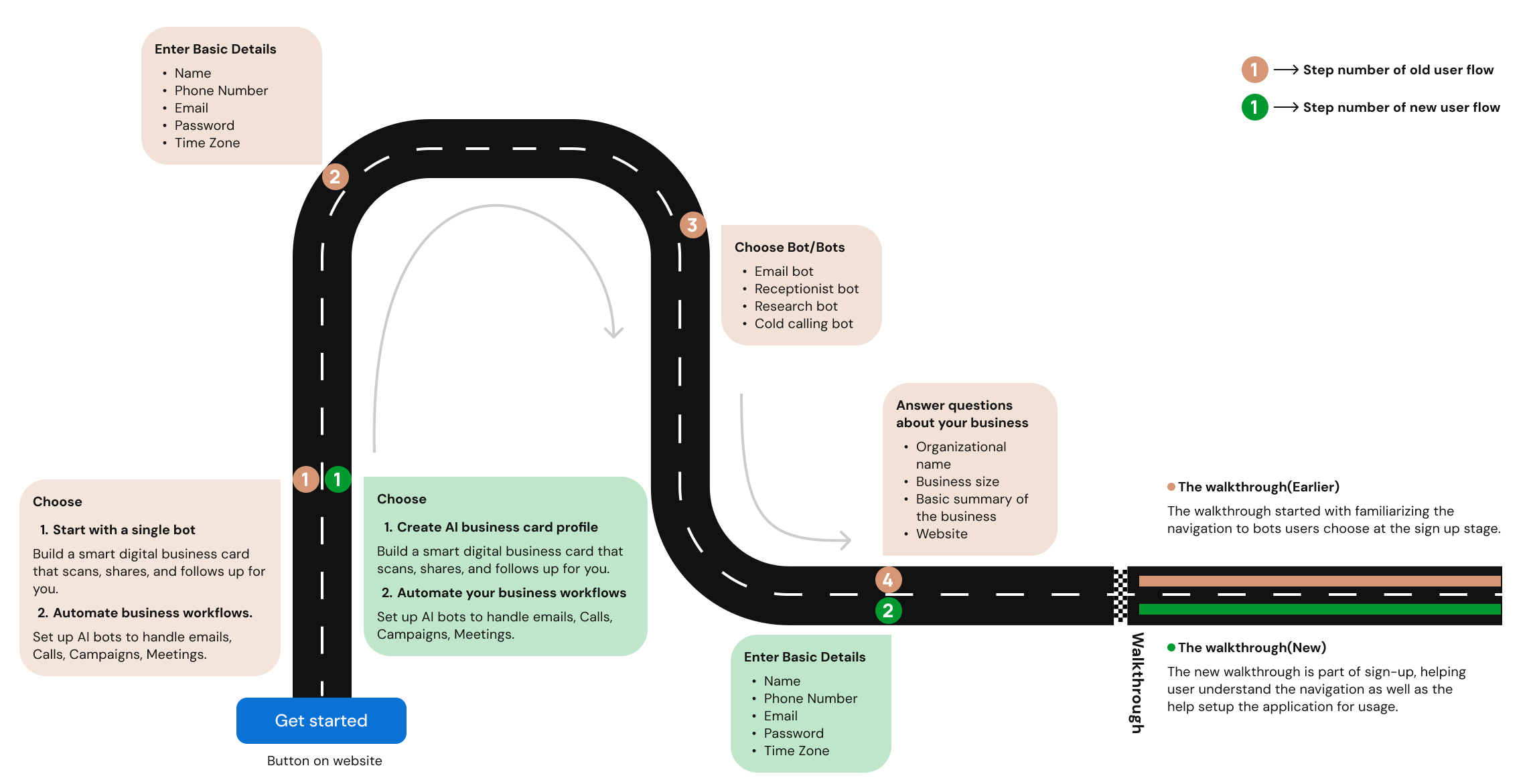
The result was a more intuitive onboarding journey that reduced sign-up completion time by 60%, decreased user confusion events by 30%, and significantly increased successful bot setup completion by eliminating the hesitation and uncertainty caused by early technical decisions.
 OLD
OLD
 NEW
NEW
~4× faster development cycle.
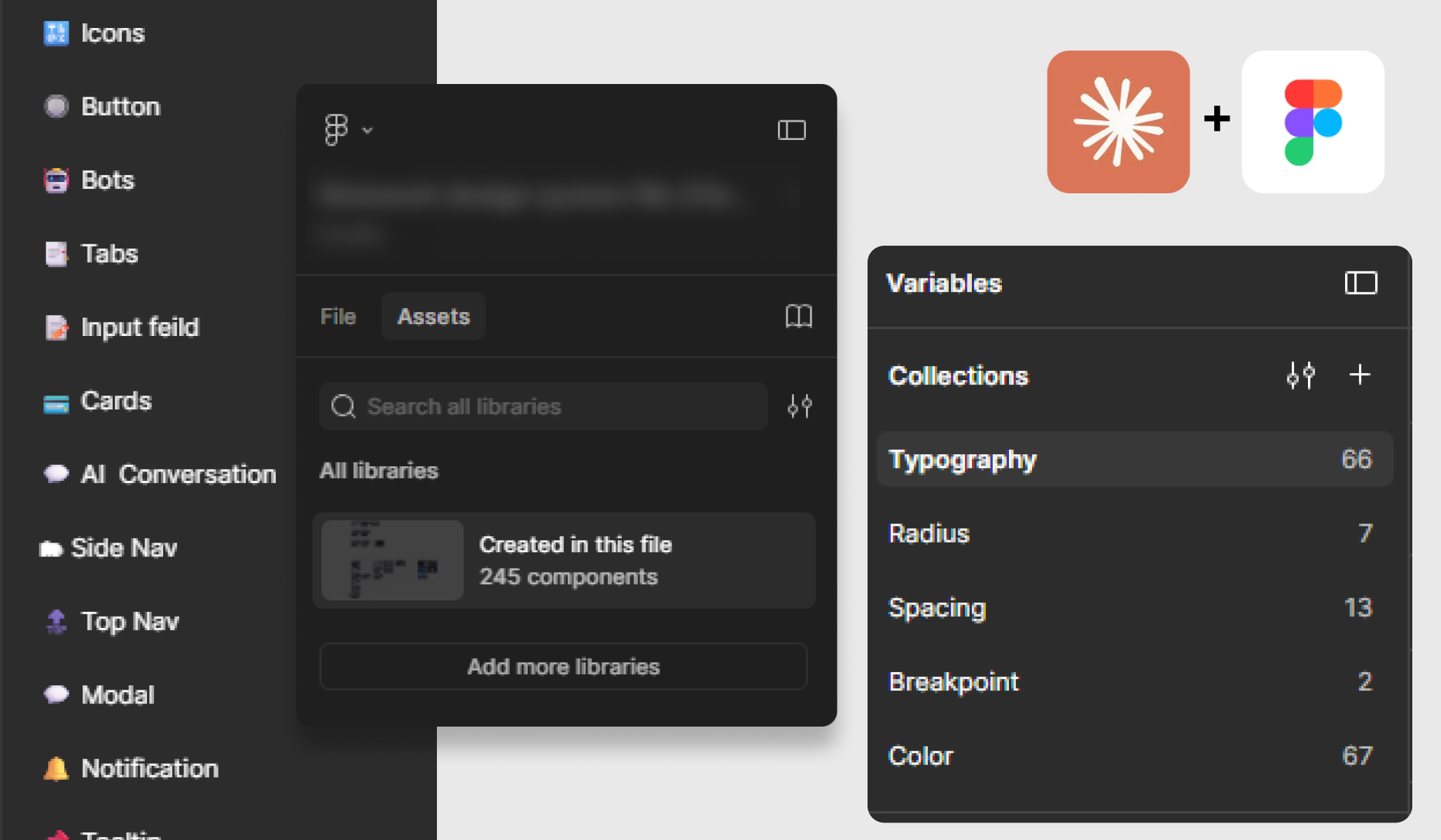
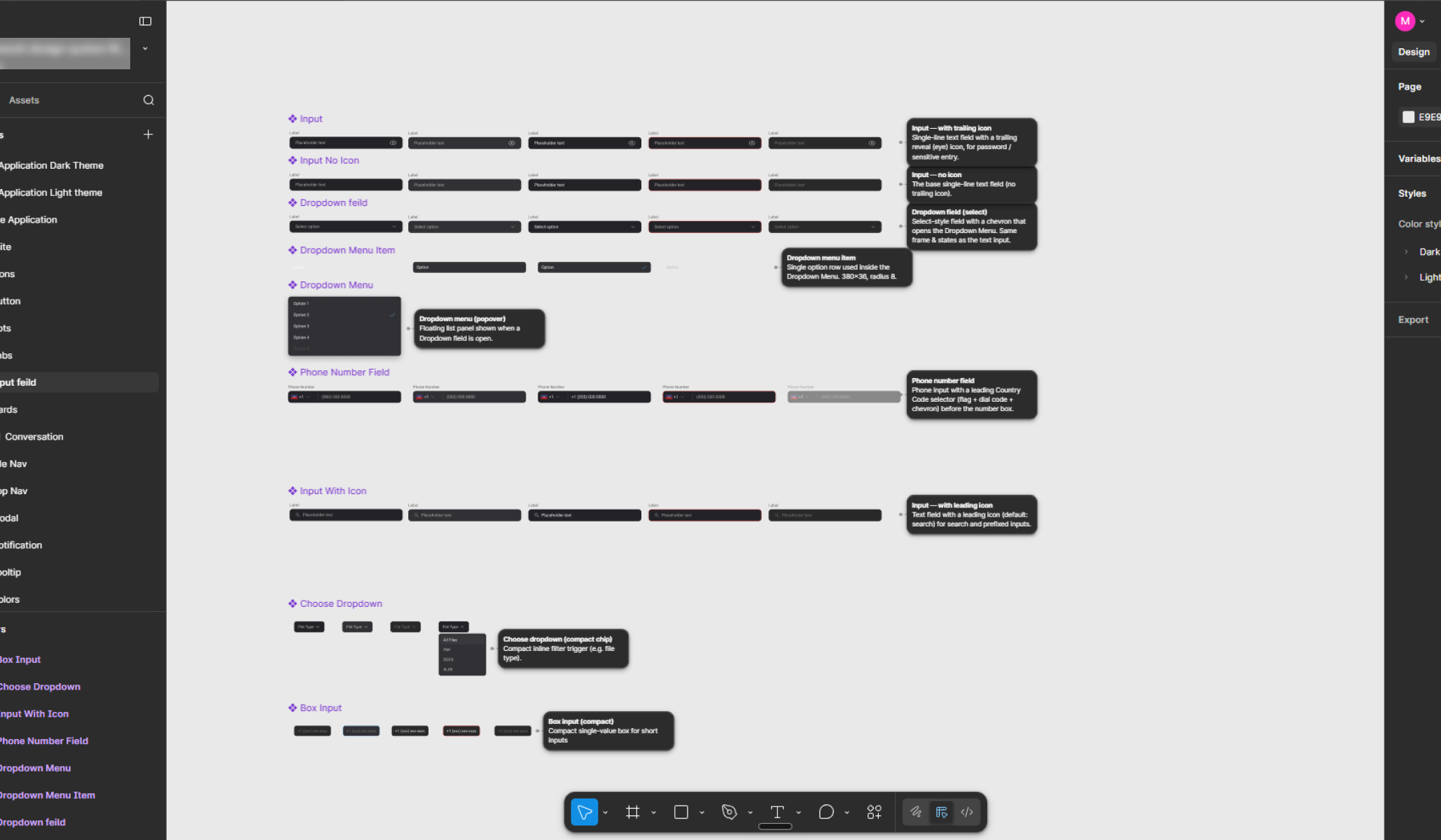
To support long-term scalability, I built a comprehensive AI-ready design system consisting of typography and colour variables, reusable colour palettes, and over 240+ reusable components. The system established a consistent visual and interaction language across the product while reducing design duplication and maintenance overhead. To further streamline the workflow, the design system was integrated Figma MCP with claude and supported by structured annotations. This enabled faster design iteration, improved collaboration between design and development teams, and accelerated the translation of designs into production-ready interfaces. By creating a shared source of truth, the team was able to move from concept to implementation with significantly greater speed and consistency.
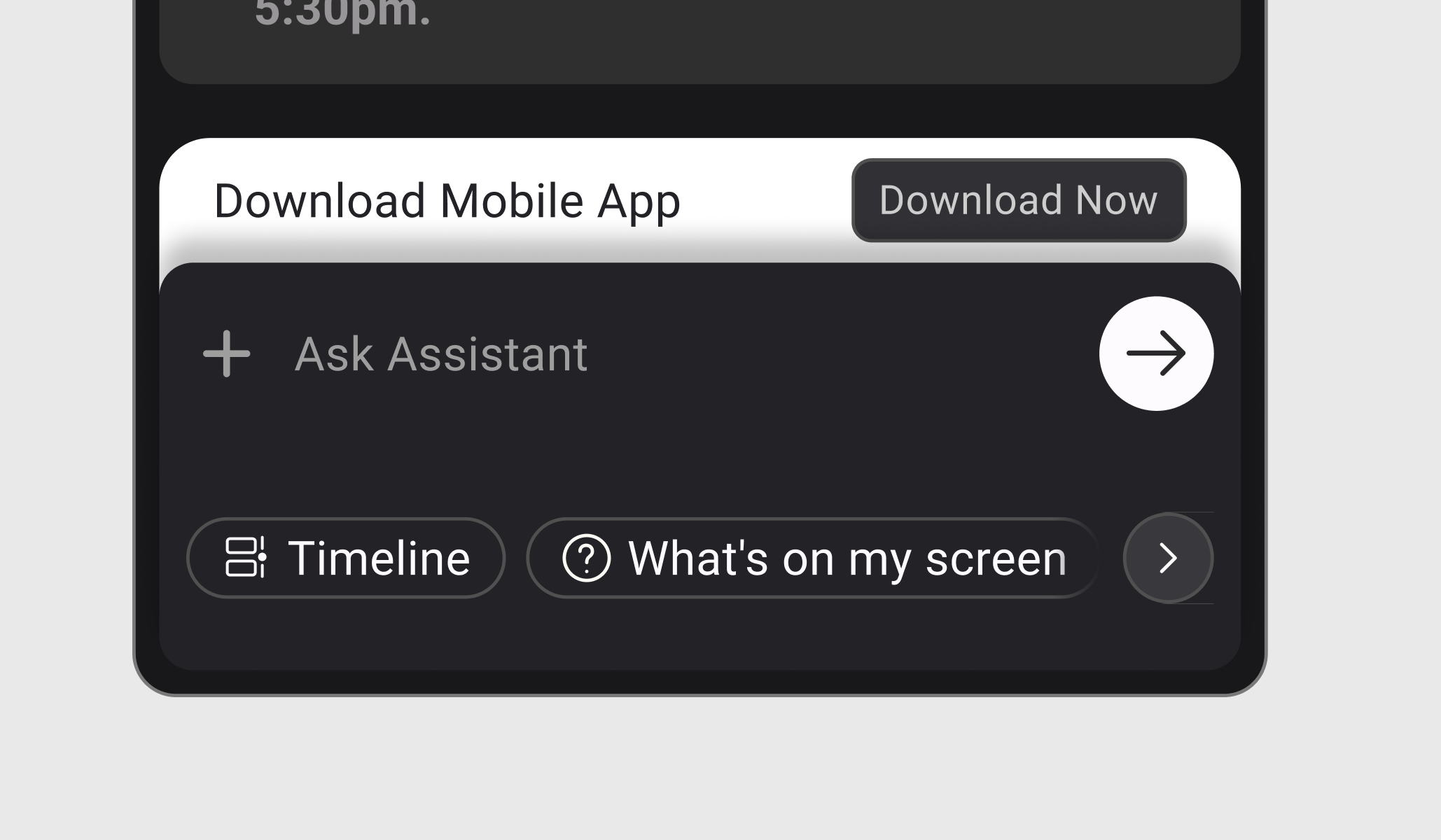
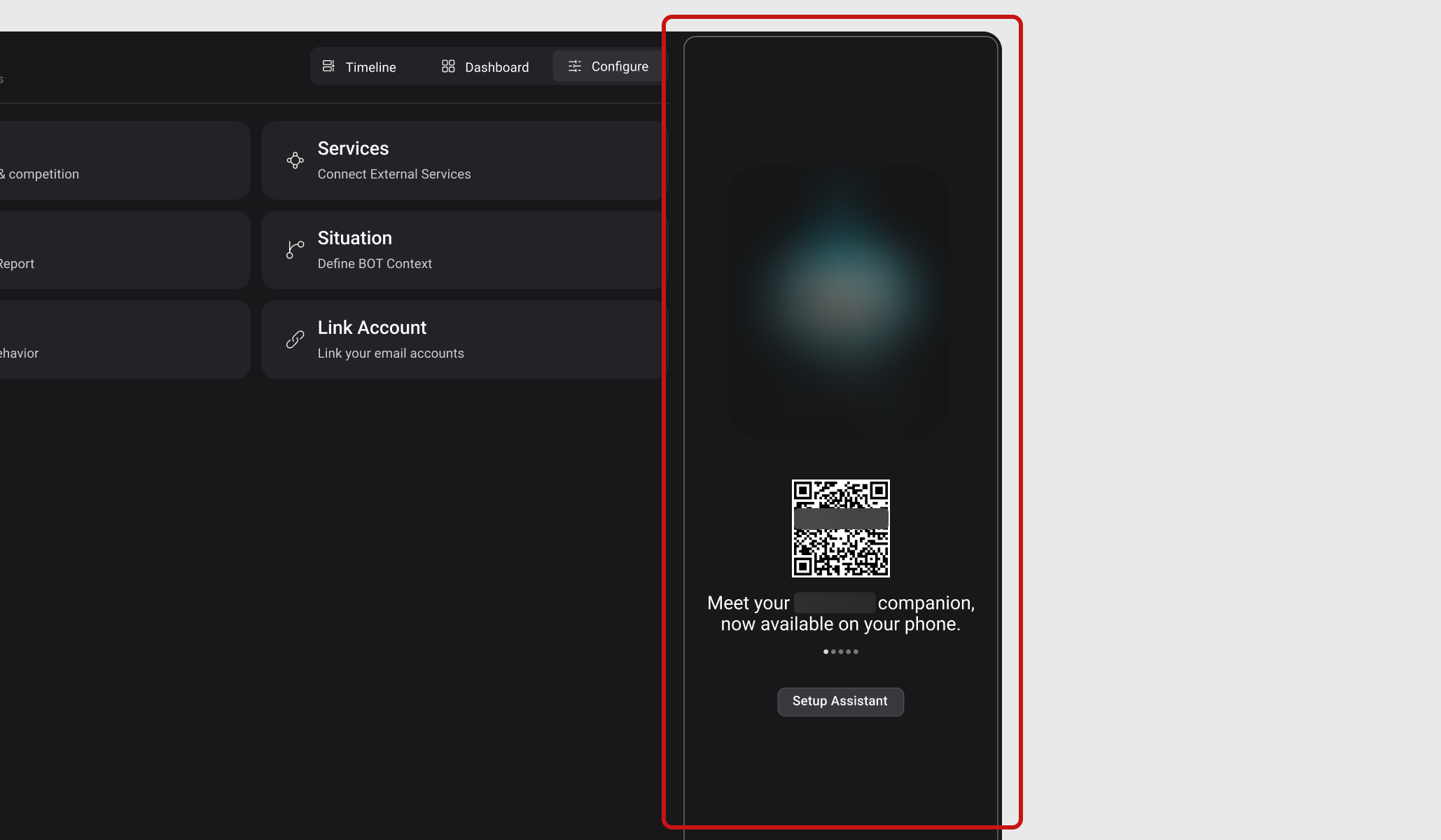
While the platform's core configuration and account management experience lived on the web, several high-frequency workflows—such as business card scanning, offline meeting recording, and on-the-go contact capture—were available exclusively through the mobile app. The mobile experience also played a critical role in increasing daily active usage by making the product accessible during real-world networking and sales interactions.To bridge this gap, multiple contextual entry points were introduced across the web experience. Rather than relying on a single app download prompt, users were encouraged to install the mobile app at moments when mobile functionality provided clear value—for example, while viewing business card workflows, meeting-related features, or contact management tasks.